




Heat Seal Films for Flexible Packaging Applications
Engineered rollstock sealant films formulated with controlled heat seal initiation temperatures and defined thermal operating windows for automated packaging systems.


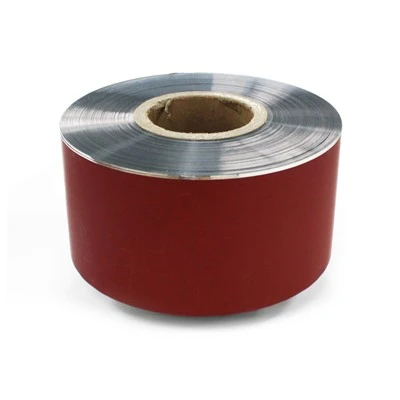


Category Overview
Heat Seal Films serve as the primary sealing layer in flexible packaging substrates, transforming heat and jaw pressure into structural closures. Used across pouch converting, lidding, and continuous flow-wrapping operations, these films protect package contents by establishing hermetic seals. Sealing performance relies on heat seal initiation temperature, thermal melting ranges, and material compatibility with opposing contact surfaces. Material formulations accommodate specific operational requirements, including low-temperature sealing for heat-sensitive contents or thermal resistance for elevated packaging speeds. Custom rollstock specifications are available based on verified sealing jaw profiles, layer structures, and co-extrusion parameters.
Technical Specifications Table
|
Parameter |
Specification Range |
Testing Standard |
|
Film Structure Options |
Polyethylene, Cast Polypropylene, Multi-layer Co-extruded |
Internal Standard |
|
Thickness Range |
20 µm – 120 µm |
ASTM D374 |
|
Thickness Tolerance |
±3% to ±5% |
ASTM D374 |
|
Heat Seal Initiation Temperature |
90°C – 140°C |
ASTM F2029 |
|
Seal Strength Range |
12 N/15mm – 45 N/15mm |
ASTM F88 |
|
Hot Tack Performance |
Measured at specified dwell time and jaw pressure |
ASTM F1921 |
|
Coefficient of Friction |
Static: 0.15 – 0.30 / Dynamic: 0.10 – 0.25 |
ASTM D1894 |
|
Surface Tension |
38 – 42 dynes/cm |
ASTM D2578 |
|
Roll Width Capabilities |
150 mm – 1500 mm |
Factory Measurement |
|
Core Inner Diameter |
76 mm or 152 mm |
Factory Standard |

Polyethylene Sealant Layers: Linear low-density and low-density formulations providing seal flexibility, impact strength, and seal integrity.
Cast Polypropylene Sealant Layers: Unoriented polypropylene films offering optical clarity, higher thermal resistance, and structural stiffness for retort or hot-fill processes.
Co-Extruded Multi-Layer Films: Combined polymer resin structures engineered to optimize seal initiation temperatures while maintaining inner layer tensile strength.
Low-Temperature Heat Seal Modifications: Resin formulations containing low-melting-point copolymers that initiate sealing at reduced thermal inputs.
Surface Treatments: Single-side corona treatment prepared for solventless, solvent-based, or water-based lamination processes.
Optical Finishes: Clear transparent, opaque white, or matte surface options tailored to package design specifications.
Applications of Heat Seal Films
High-Speed Vertical Packaging:
Enables rapid sealing jaw release without film sticking during continuous vertical form-fill-seal cycles.
01
Heat-Sensitive Product Packaging:
Utilizes low heat seal initiation temperatures to protect temperature-sensitive contents such as chocolates or soft confectionery.
02
Frozen Food Pouch Lamination:
Retains seal ductility and puncture resistance when subjected to low-temperature storage environments.
03
Rigid Container Lidding:
Fuses onto rigid tray margins to deliver controlled peelable seals or permanent weld seals.
04
Industrial Dry Powder Packaging:
Seals through fine particle dust present along jaw contact areas to maintain closure integrity.
05
Sealing Window and Equipment Compatibility: Match film heat seal initiation temperature and melting point with machine jaw dwell time, pressure, and temperature controls.
Thermal Resistance Differential: Ensure a sufficient melting point gap between the outer carrier film and the inner sealant layer to avoid substrate burn-through.
Product Contact and Contamination: Evaluate whether fine powders, oils, or liquid splashing in the seal area require specialized contaminant-bypass sealant resins.
Coefficient of Friction Requirements: Determine required surface slip properties based on machine forming collars, transport belts, and film tension settings.
Storage and Handling Conditions: Maintain controlled ambient temperature and humidity to prevent slip agent migration or dyne level degradation before processing.

Customization & Inquiry
To evaluate film suitability and receive technical quotations, provide the following processing metrics:
Target Film Structure: Specific substrate layers, such as polyethylene-terephthalate and polyethylene, oriented polypropylene and cast polypropylene, or mono-material structures.
Dimensional Specifications: Required gauge thickness, roll width, roll outer diameter, and core size.
Packaging Equipment Details: Machine type, sealing jaw profile, operational speed, and thermal control parameters.
Sealing Requirements: Target seal initiation temperature, minimum seal strength, and preferred dwell times.
Content Properties: Nature of packaged contents, fill temperature, and potential seal area contamination.
Submit your technical parameters to receive detailed material evaluations on our Customization Page.
FAQ

Request Heat Seal Film Specifications & Quote
Submit your film specifications, equipment parameters, and application details to receive a technical material proposal and factory quotation within 24 hours.
We're professional heat seal films manufacturers and suppliers in China, specialized in providing high quality custom design service. We warmly welcome you to wholesale high-end heat seal films for sale here from our factory.