




Why Choose Us?
Reliable Product Quality
Our company is a food plastic packaging production license (QS certificate) certified enterprises, and has obtained ISO9001 quality system management certification.
Professional Technical Team
Our professional team provides detailed product information and usage recommendations to help customers choose the most suitable soft packaging products for their needs.
Strong Production Capacity
The company's design production capacity of 90 million square meters / year,Provide personalized products and solutions based on specific customer needs.
Excellent Customer Service
Collect customer feedback and continuously improve product and service quality. Customer satisfaction survey, feedback channels, and improvement plans.
Pet food packaging is a convenient, versatile and functional packaging solution for pet food, pet treats and pet care products. For the packaging of pet food, the classic pouches are mainly used. Treats are packed in gusseted or stand-up pouches with oval-welded bottoms, chew sticks in space-saving flat pouches. For dry food, flat-bottom pouches in rectangular shape are ideal as they make optimal use of storage space.

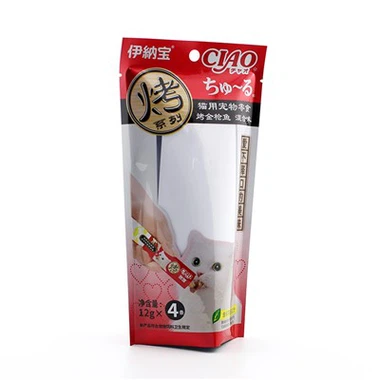


Advantages of Pet Food Packaging
Enhancing Freshness and Extending Shelf Life
Keeping pet food fresh and extending its shelf life is essential to preserve its quality, ensuring your customers' pets get the best nutrition possible. As you may know, pet food, containing fats and minerals prone to oxidation, can develop undesirable flavours if not stored properly. Resealable packaging, with its easy-to-close feature, minimises exposure to oxygen, reducing the likelihood of spoilage.
Improving Pet Food Safety and Quality
Improving pet food safety and quality through resealable packaging goes beyond just preserving freshness and extending shelf life; it also provides essential protection against potential contaminants and damage, ensuring a secure and reliable product for your customers. The sealing in flexible packaging prevents air exposure, protecting against dust, wear and tear, and dirt that can compromise flavour, scent, and nutrients. Quality packaging design with resealable features enhances customer satisfaction and brand loyalty.
Convenience and Usability for Pet Owners
Resealable pet food packaging has become an essential choice for modern pet owners seeking convenience and freshness for their furry companions. With busy schedules and on-the-go lifestyles, modern pet owners value the ease of opening and resealing pet food packages to maintain freshness. The convenience of resealable packaging allows for effortless storage and portion control, catering to the needs of pet owners looking for practical solutions.
Using Resealable Pet Food Packaging Contributes to Sustainability
By opting for resealable packaging, you actively support environmental initiatives. Resealable designs allow the original packaging to be used throughout the product's lifespan, reducing the need for additional containers and cutting down on material use and costs. Moreover, many resealable materials are recyclable, aiding in sustainability efforts. By choosing resealable packaging, you're not just choosing convenience but also taking a significant step towards supporting environmental initiatives.
Customisation and Brand Differentiation
By embracing resealable pet food packaging, pet food manufacturers unlock custom design and branding opportunities that can significantly distinguish their products on the shelves. The advent of digitally printed packaging amplifies these possibilities even further. This means manufacturers can effortlessly switch between different designs or product variations without the need for costly and time-consuming changes to traditional printing plates.
It's Cost-Effective for Manufacturers and Consumers
Cost-effectiveness plays a pivotal role in the adoption of resealable pet food packaging for both manufacturers and consumers. Reusable packaging offers significant cost savings for businesses in the long run. Although the initial investment may be higher than single-use options, the durability and reusability of these solutions make them more economical over time. For instance, investing in reusable containers or crates eliminates the need for constant repurchasing, reducing overall packaging costs.
It Reduces the Necessity of Stock Holding
Choosing resealable pet food packaging simplifies how you store your products. You won't need to keep a large variety of packaging types, which saves space. This is because digital printing technology allows for easy design changes without the need for stocking multiple packaging options. This streamlined approach helps you manage your inventory more efficiently and reduces costs. You don't have to invest in a lot of packaging that might not be used immediately.
Types of Pet Food Packaging
Tin Can/Jar
The metal can/tin can is the most widely used package for pet food around the world. The container is suitable for liquid and paste materials. Wet pet food contains water, so sealing and sterilization techniques are particularly important in the packaging process. And the metal can is the optimal packaging material for wet food packaging, storage, shipping, and marketing.
Pouch
The tubular pouch is a traditional flat packaging material film roll pouch design. The packing material is directed over the format tube’s shoulder, molded directly around it, and sealed along its length and bottom seam. The pouch is then filled with goods and detached from the film tube at the head (top) seam. The tubular pouch is finished! To keep the food moist and the jelly delicious, several cat food makers now use pouches in their packaging. Some smaller and gourmet cat food producers are following suit, as pouches are very cost-effective for them and allow them to compete with the big brands.
Stick packs
Stick packs are a new style of packaging that is convenient, stylish, and pleasant. The stick pack is a pillow bag with longitudinal closure and a unique width-to-length ratio due to its design. The stick pack offers an excellent ratio of packaged food to minimum packaging material when used for portion packaging. As a result, a stick pack requires 40% less film material than a sachet of similar size.
Plastics
Plastics are popular in pet food packaging design among customers worldwide. These materials can protect pet food from oxygen and moisture. They have different types, such as polyethylene (PE), polypropylene (PP), and polyethylene terephthalate (PET). PE is a flexible pet plastic food packaging option. Meanwhile, PP is best for withstanding high temperatures. On the other hand, PET is strong and can prevent moisture. Although plastic packaging can impact environmental pollution, improving recyclable options will be helpful.
Paper And Cardboard
Paper and cardboard are cost-effective and best for your low-budget plan. These materials are often used for outer packaging, such as boxes. They offer moderate protection against external elements. You can easily customize them based on your branding ideas and preference design. Moreover, paper bags are recycled. However, these materials do not provide as much barrier protection as metals or plastics.


Metals
Metals, such as aluminum and tin, are often used for pet food packaging. Aluminum protects against light and oxygen and preserves pet food’s nutritional value. Tin used in cans offers similar benefits and adds a layer of protection. Furthermore, both are environmentally friendly, as they are recyclable. They also keep pet food fresh and resistant to external factors.
Composite materials
Composite materials combine different substances, such as paper, plastic, and metal layers. They are designed to provide superior barriers against light, moisture, and air. Therefore, composite materials can ensure pet food nutrition and freshness. Moreover, they are designed to be recyclable or biodegradable. Integrating multiple layers offers a balance of durability and protection. Also, these materials are mostly lightweight and reduce transportation costs.
The Top 6 Trends In Pet Food Packaging
Focus on freshness.
Keeping pet food and treats fresh should be top of mind when creating the perfect pet package. Focus on using high-quality films with barrier protection to do just that, as well as using a reseal zipper. This allows consumers to securely close the bag or pouch in between feedings, which helps to keep air out and freshness in, extending the shelf life of the product inside.
Choose convenience.
Speaking of convenience, consider adding convenience features to your pouch like a stand-up bottom, handles for easy carrying, and easy open tear notches, in addition to the aforementioned reseal zippers. Consider also that consumers love pouches for their lightweight, shatterproof quality, as well as easy portability.
Use a see-through window.
Consider adding a transparent window to your pet food pouch or bag so consumers to see the treats inside before they purchase. These windows are a popular choice to showcase what’s inside, and further support your claims on the label of the good stuff inside.
Choose custom pouches.
Fully branded, custom pouches speak volumes for your brand. And using high-quality materials with great graphics assures pet owners of the quality of the product inside. Since they look and feel premium, packagers today are using custom packaging like pouches to justify charging higher prices for their pet food and treats.
Go for the green.
Consider using recyclable or compostable films, or post-consumer recycled content in your package to lessen your environmental impact. Also consider how utilizing digitally printed flexible packaging can lower your company’s carbon footprint. And lastly, did you know that using eco-friendly packaging can help to set your brand apart? Many packagers today are using sustainable packaging as a way to differentiate themselves from competitors, as sustainability plays a growing role in branding and consumer perception.
Opt for high-impact graphics.
Since branding and consumer perception are so important, consider how great graphics can help to get your brand noticed. Whether it’s bold and playful, or simple and clean, you know how impactful a great design can be. Use unique and creative artwork, clear images, and vibrant colors to set yourself apart from the competition. Did you know that with pouches you get 360° of space to create your design and tell the brand story? Since you’re not limited to a label, you can use every inch of your package to really capture consumer attention.
1. Complete and Balanced
Dogs and cats require more than 40 essential nutrients in their diets. A pet food labeled as Complete and Balanced will contain nutrients at levels established by the Association of American Feed Control Officials (AAFCO). These are different for cats and dogs. Similar terms, such as 100% Nutritious, may be used, as well.
2. Life Stages
Pet food may be developed for different life stages. For example, growing puppies and kittens require more energy than adult pets. Shoppers will see diets formulated for Growth and Reproduction (puppies, kittens and pregnant pets), Adult Maintenance (only adult pets) or All Life Stages. The size of a puppy’s breed can also be an important factor on a pet food label. Large breed puppies (based on an anticipated adult weight of at least 70 pounds) can be more susceptible to an excess of calcium in their diet. To help rapidly-growing large breed puppies stay healthy and prevent joint issues, among other challenges, their diet must be lower in certain nutrients such as calcium, phosphorus and vitamin D. A Growth and Reproduction or All Life Stages diet is formulated to consider the growth of large dogs. These terms will be listed on the Nutritional Adequacy Statement of a dog food package.
3. Nutritional Adequacy Statement
The Nutritional Adequacy Statement, typically found on the back or bottom of a pet food package, reaffirms that the pet food is formulated to provide nutrition for a specific life stage and how that nutrition is assessed. It will also state if the food does not provide complete nutrition and if it is not meant to be served as a meal—such if it is a topper. The Nutritional Adequacy Statement is reviewed by state regulators when they approve products for sale in that state.
4. Ingredient List
The pet food label lists ingredients in descending order by weight, as is required by the U.S. Food and Drug Administration (FDA). Vitamins and minerals are required to include their chemical name, however you may also see the more recognized or common name; for example, Pyridoxine hydrochloride (vitamin B6) and Thiamine mononitrate (vitamin B1). Pet food ingredients are regulated or defined at either the federal or state level. Click here to learn more about the role of individual states and FDA in approving ingredients for use in pet food.
5. Guaranteed Analysis
Dog and cat food will provide a Guaranteed Analysis (GA) on the product label. The GA provides product information to pet owners, helping them find the levels of at least four nutrients: protein, fat, fiber and moisture. Because pet food will have different levels of moisture based on whether it’s wet or dry, the percentages for nutrients may look extremely varied when comparing the GA of two types of products. We help explain how to calculate the difference to ensure an equal comparison.
Key Considerations in Choosing Pet Food Packaging Materials
Cost-effectiveness is a paramount consideration when it comes to pet food packaging materials. They must strike a balance between providing adequate protection for the product and being economically viable. Manufacturers must seek materials that offer the best value for money without compromising on quality. Flexible pet food packaging offers a cost-effective solution that provides superior protection for your products. These durable materials are usually less expensive than their rigid counterparts and still provide the same protection that a rigid material would.
Customizability is a key factor in creating a distinctive brand identity and meeting consumer preferences. Customized pet food packaging not only enhances brand recognition but also provides an opportunity to communicate essential information and establish a connection with consumers. The ability to tailor pet food packaging to specific product requirements contributes to a memorable and marketable brand presence. With flexible pet food packaging materials, you can get customizable pet food packaging without breaking the bank. Your manufacturer can print directly on the material, providing a polished look that delights consumers.
Innovative pet food packaging designs prioritize user-friendliness, making it easy for pet owners to handle, store, and serve pet food. Some innovations include resealable and easy-open features, single-serve pet food packaging, and transparent pet food packaging for visibility.
Pet food packaging materials must possess barrier properties that protect against moisture, air, and light, preventing the deterioration of the product. That pet food packaging should contribute to extending the shelf life of perishable goods, ensuring that consumers receive products with optimal taste, texture, and nutritional value. The materials used in flexible pet food packaging, such as laminated films, create a shield that safeguards perishable goods. This barrier helps prevent oxidation, moisture absorption, and light-induced degradation, all of which can compromise the taste, texture, and nutritional content of the packaged items.
More consumers are becoming environmentally conscious, and they’re looking for brands to make sustainable changes. That’s why it’s so important to choose sustainable pet food packaging materials. Flexible pet food packaging has now evolved to the point where it can use more renewable materials with a lower environmental footprint. This not only helps you protect the environment, but appeals to sustainably minded consumers, as well.
How Customized Pet Food Packaging Can Help You Increase Sales
Enhanced Brand Loyalty and Customer Engagement
Customizing your packaging with your logo, company values, and more can significantly enhance brand loyalty and engagement. Firstly, it helps with brand recognition, which increases familiarity with your brand and builds trust over time. It also allows you to communicate your company’s values and mission directly with your customers. Whether it’s through messaging about sustainability, quality ingredients, or ethical sourcing practices, aligning your packaging with your brand values helps to establish a consistent brand identity that resonates with consumers who share those values.
Creating a Unique and Memorable Brand Experience
Customized pet food packaging design allows you to create a unique and memorable brand experience. Tailored packaging resonates more strongly with your target audience, creating personal connections while conveying a sense of high quality. Additionally, memorable packaging increases brand recall and encourages word-of-mouth recommendations. Custom packaging fosters meaningful relationships with consumers, leaving a lasting impression that extends beyond the initial purchase.
Make Your Packaging Design Informative and User-Friendly
Transparency is key. Customers are increasingly concerned about ingredients when purchasing pet food. Your packaging design should include clear, easily readable information about ingredients, nutritional values, and feeding guidelines. Use infographics or icons to make this information more accessible and engaging. Consider incorporating QR codes that lead to detailed product information or interactive content. Embracing online marketing will help enhance the user experience and inspire trust in your product.
Create Personalized Packaging for Different Dog Breeds
Tailoring your packaging design to specific dog breeds can significantly impact your product’s appeal. This approach helps create a more personal connection with pet owners and demonstrates that your company understands the dietary needs of different breeds. You should include breed-specific imagery on your product’s packaging to make your product stand out as a thoughtful choice for pet owners.
Determine the Primary Display Panel for Your Packaging
Identifying and optimizing the primary display panel for your product’s packaging is vital. Pet food products often come in different shapes and sizes. You must know how your packaging will look on a shelf as potential customers walk by. Your packaging should prominently feature your brand logo, product name, and key benefits. The design should be eye-catching but not overwhelming, balancing colors, text, and imagery to attract attention while conveying your brand’s message.
Adjust Your Packaging’s Design for Weight Variances
Adjusting your packaging design to accommodate weight variances will help your branding remain consistent across different product sizes. This process could involve scaling design elements or using different packaging shapes or materials while maintaining a cohesive look.
Qingdao Chengyue Packaging Technology Co., Ltd. was established in 2003. The factory is located at No.18, Kongjiaohe 1st Road, Jili District, Qingdao City, Shandong Province, China, covering a total area of 22,700 square meters, with a production area of 7,400 square meters. With excellent quality and good reputation, our factory has won the general praise of customers. Our main business is to manufacture flexible packaging for food and high performance environmental protection shrink film labels.


Our Certifications


Ultimate FAQ Guide to Pet Food Packaging
We're professional pet food packaging manufacturers and suppliers in China, specialized in providing high quality custom design service. We warmly welcome you to wholesale high-end pet food packaging for sale here from our factory.
Dog Food Packaging, Cat Litter Bags, pet food packaging