

What is the elongation at break of foil lidding film?
Dec 08, 2025
Leave a message
The elongation at break of foil lidding film is a crucial mechanical property that significantly impacts its performance in various packaging applications. As a trusted supplier of Foil Lidding Film, I am delighted to delve into this topic to provide you with a comprehensive understanding of what elongation at break means, why it matters, and how it relates to our high - quality products.
Understanding Elongation at Break
Elongation at break, also known as ultimate elongation, is defined as the percentage increase in length that a material can withstand before it fractures or breaks under tensile stress. In the context of foil lidding film, it is a measure of the film's ability to stretch before it tears when pulled. To measure the elongation at break, a sample of the foil lidding film is placed in a tensile testing machine. The machine slowly applies a pulling force to the sample until it breaks. The initial length of the sample and the length at the moment of breakage are recorded, and the elongation at break is calculated using the following formula:
[ \text{Elongation at Break}(%)=\frac{L_f - L_0}{L_0}\times100% ]
where (L_0) is the original length of the sample and (L_f) is the length of the sample at the point of breakage.
Why Elongation at Break Matters in Foil Lidding Film
- Packaging Process Compatibility
During the packaging process, foil lidding films are often subjected to various mechanical stresses. For example, when the film is being sealed onto a container, it may need to stretch slightly to conform to the shape of the container. A film with a high elongation at break can better withstand these stresses without tearing, ensuring a smooth and efficient packaging process. This is especially important in high - speed packaging lines where any interruption due to film breakage can lead to significant production losses. - Product Protection
Foil lidding films are used to seal food products, pharmaceuticals, and other sensitive items. A film with adequate elongation at break can better maintain its integrity during handling, transportation, and storage. It can resist punctures and tears that could otherwise expose the packaged product to external contaminants, moisture, and oxygen. This helps to preserve the quality and shelf - life of the product. - Consumer Experience
When consumers open a package sealed with foil lidding film, they expect the film to peel off cleanly without tearing. A film with the right elongation at break provides a balance between being strong enough to stay intact during normal handling and being easy to peel when opened. This enhances the overall consumer experience and satisfaction with the product.
Factors Affecting the Elongation at Break of Foil Lidding Film
- Material Composition
The type of materials used in the foil lidding film and their proportions have a significant impact on its elongation at break. For example, films made with certain polymers may have higher elongation properties compared to others. Additionally, the presence of additives such as plasticizers can also affect the flexibility and elongation of the film. - Manufacturing Process
The way the foil lidding film is manufactured, including processes like extrusion, coating, and lamination, can influence its mechanical properties. Proper control of manufacturing parameters such as temperature, pressure, and speed can result in a film with more consistent and desirable elongation at break values. - Thickness
Generally, thicker foil lidding films tend to have lower elongation at break values compared to thinner ones. However, this relationship is not always straightforward, as other factors such as material composition and manufacturing process also play important roles.
Our Foil Lidding Film and Elongation at Break
As a leading supplier of Foil Lidding Film, we understand the importance of elongation at break in meeting the diverse needs of our customers. Our R & D team works diligently to optimize the material composition and manufacturing process of our foil lidding films to achieve the ideal balance of strength and flexibility.
We offer a wide range of foil lidding films with different elongation at break values to suit various applications. For example, our Takeaway Food Peel Film is designed to have a high enough elongation at break to withstand the rigors of takeaway packaging, including being bent and folded during transportation, while still providing a clean peel for the consumer. Our Easy Peel Film is engineered to offer a gentle peel force and sufficient elongation to ensure a smooth opening experience without tearing.
Quality Control and Testing
To ensure the consistency and reliability of the elongation at break of our foil lidding films, we have a strict quality control system in place. Every batch of film undergoes rigorous testing using state - of - the - art tensile testing equipment. Our quality control team carefully monitors the test results and compares them against our strict quality standards. Only films that meet or exceed these standards are approved for shipment to our customers.

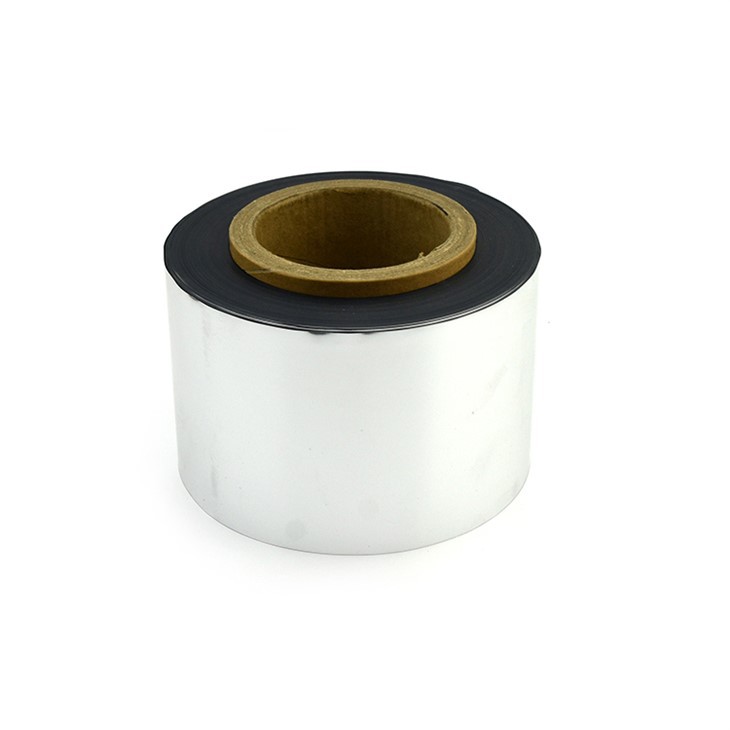
Meeting Your Specific Requirements
We understand that different customers may have different requirements for the elongation at break of foil lidding film based on their specific applications. Whether you need a film with high elongation for a complex packaging process or a film with a more moderate elongation for a standard packaging application, we can work with you to develop a customized solution. Our technical experts are always available to provide you with professional advice and guidance on selecting the most suitable foil lidding film for your needs.
Conclusion
The elongation at break of foil lidding film is a vital property that affects its performance in packaging processes, product protection, and consumer experience. As a trusted supplier, we are committed to providing high - quality foil lidding films with optimal elongation at break values. Our dedication to research, development, and quality control ensures that our products meet the diverse needs of our customers across various industries.
If you are interested in learning more about our foil lidding films or would like to discuss your specific packaging requirements, we invite you to contact us for a detailed consultation. Our team is eager to work with you to find the best packaging solutions for your products.
References
- ASTM D882 - 18, Standard Test Method for Tensile Properties of Thin Plastic Sheeting.
- Packaging Machinery Manufacturers Institute (PMMI) Technical Guides on Flexible Packaging Films.
- Various research papers on polymer materials and their mechanical properties in peer - reviewed journals.