

How to store retort lids?
May 26, 2025
Leave a message
Hey there! I'm a supplier of retort lids, and I've seen firsthand how important it is to store these items properly. In this blog post, I'll share some tips on how to store retort lids effectively, ensuring they remain in top - notch condition until they're ready to be used.
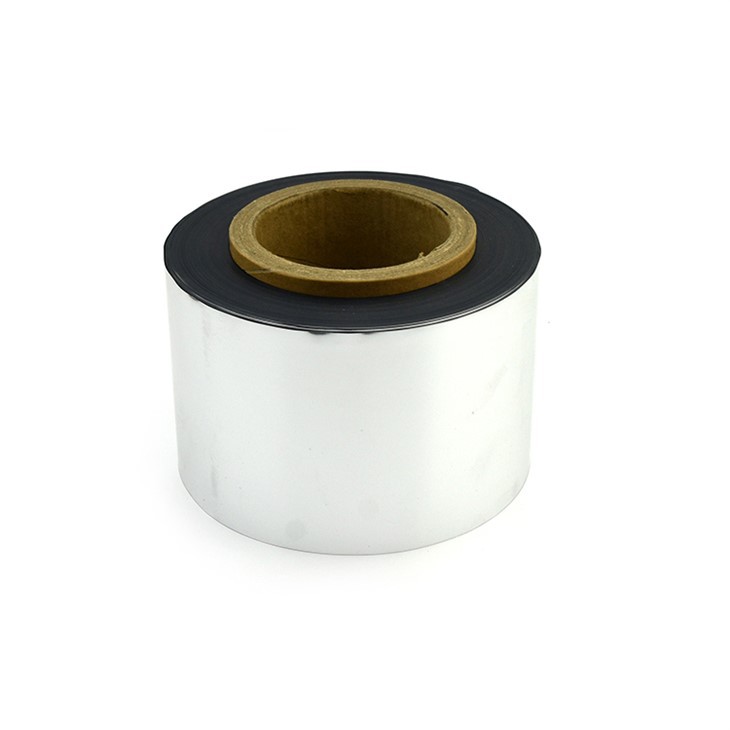
First off, let's understand what retort lids are. Retort lids are a crucial part of the food packaging industry. They're used to seal containers that go through a retort process, which involves high - temperature and high - pressure sterilization. This process helps to extend the shelf life of the food inside the container. There are different types of retort lids, such as those made from Easy Peel Film, Foil Lidding Film, and Anti Fog Film. Each type has its own unique properties and requirements when it comes to storage.
Temperature and Humidity Control
One of the most important factors in storing retort lids is temperature control. Retort lids should be stored in a cool and dry environment. A temperature range of around 50°F to 70°F (10°C to 21°C) is ideal. High temperatures can cause the materials in the lids to degrade. For example, if the lids are made from plastic - based films, excessive heat can make them brittle or cause them to lose their sealing properties.
Humidity is another key consideration. The relative humidity in the storage area should be kept between 30% and 50%. High humidity can lead to moisture absorption by the lids. This can cause problems like corrosion if the lids have metal components, or it can make the adhesive on the lids less effective. On the other hand, low humidity can also be an issue as it might cause the lids to dry out and become more prone to cracking.
To maintain the right temperature and humidity, you can use a climate - controlled storage unit. These units are equipped with sensors that can adjust the temperature and humidity settings automatically. If you don't have access to a climate - controlled unit, you can at least try to store the lids in a part of your warehouse or storage area that is away from direct sunlight and sources of heat, like heaters or machinery.
Protection from Physical Damage
Retort lids are relatively delicate, and they need to be protected from physical damage during storage. Stacking them too high or placing heavy objects on top of them can cause deformation. When storing the lids, use proper shelving or pallets. Make sure the shelves are sturdy and level to prevent the lids from shifting and getting damaged.
If the lids come in boxes, keep them in their original packaging as much as possible. The boxes are designed to provide some level of protection. If you need to move the lids, handle them with care. Avoid dropping or throwing the boxes, as this can cause the lids inside to break or get misaligned.
Storage Organization
Proper organization is essential for easy access and inventory management. Group the retort lids by type, size, and batch number. This way, you can quickly find the lids you need when it's time to fulfill an order. Label the storage areas clearly so that your staff can easily identify where each type of lid is located.
You can also implement a first - in, first - out (FIFO) system. This means that the lids that were received first should be used first. This helps to ensure that the lids don't sit in storage for too long, reducing the risk of degradation over time.
Protection from Contaminants
Retort lids are used for food packaging, so it's crucial to keep them free from contaminants. The storage area should be clean and free from dust, dirt, and chemicals. Regularly clean the shelves and floors of the storage area. Use a vacuum cleaner or a damp cloth to remove any debris.

Avoid storing the lids near chemicals or substances that could potentially contaminate them. For example, don't store them next to cleaning agents or solvents. If there are any spills in the storage area, clean them up immediately to prevent the lids from getting exposed to the spilled substance.
Monitoring and Inspection
Regular monitoring and inspection of the stored retort lids are necessary. Set up a schedule to check the lids for any signs of damage, degradation, or contamination. Look for things like cracks, discoloration, or changes in the texture of the lids.
If you notice any issues, isolate the affected lids immediately. Determine the cause of the problem and take appropriate action. This might involve adjusting the storage conditions, disposing of the damaged lids, or contacting the manufacturer for further advice.
Long - Term Storage Considerations
If you need to store retort lids for an extended period, there are a few additional things to keep in mind. Consider using protective covers or wraps for the lids. This can provide an extra layer of protection against dust and moisture.
Also, review your inventory regularly to make sure you're not over - stocking. Over - stocking can lead to lids sitting in storage for too long, increasing the risk of degradation. If you have lids that are approaching their expiration date, try to use them up or sell them off before they become unusable.
In conclusion, proper storage of retort lids is crucial for maintaining their quality and performance. By controlling the temperature and humidity, protecting them from physical damage, organizing them well, keeping them free from contaminants, and monitoring them regularly, you can ensure that your retort lids are in excellent condition when it's time to use them.
If you're in the market for high - quality retort lids, whether it's Easy Peel Film, Foil Lidding Film, or Anti Fog Film, I'm here to help. We offer a wide range of retort lids that meet industry standards. If you're interested in learning more or discussing a potential purchase, don't hesitate to reach out. We're always happy to have a chat and see how we can meet your packaging needs.
References
- Food Packaging Technology Handbook.
- Industry standards and guidelines for retort lid storage.