

Do retort pouches affect the taste of food?
Jan 08, 2026
Leave a message
Do retort pouches affect the taste of food?
As a supplier of retort pouches, I've encountered numerous inquiries from clients regarding the potential impact of these pouches on the taste of the food they contain. This is a crucial concern for food manufacturers, as taste is often the deciding factor in a consumer's choice of product. In this blog, I'll delve into the science behind retort pouches and examine whether they truly affect the taste of food.
Retort pouches are flexible packaging solutions that are designed to withstand high - temperature sterilization processes, also known as retorting. This process involves subjecting the filled pouch to heat and pressure to kill microorganisms, enzymes, and other spoilage agents, thereby extending the shelf - life of the food. The structure of a retort pouch typically consists of multiple layers, including a heat - sealable inner layer, a barrier layer to prevent the ingress of oxygen and moisture, and an outer layer for protection and printing.
One of the primary concerns about retort pouches is the potential for the packaging materials to leach chemicals into the food, which could alter its taste. However, modern retort pouches are made from food - grade materials that are rigorously tested and approved by regulatory authorities such as the Food and Drug Administration (FDA) in the United States and the European Food Safety Authority (EFSA) in Europe. These materials are selected for their inertness, meaning they do not react chemically with the food. For example, the inner layer of a retort pouch is often made of polypropylene, which is a widely used and safe plastic in food packaging. It has a high melting point and is resistant to chemical attack, ensuring that it does not transfer any unwanted flavors or substances to the food.
Another aspect to consider is the oxygen barrier properties of retort pouches. Oxygen is one of the main factors that can cause food to deteriorate and develop off - flavors. Oxidation can lead to the breakdown of fats, proteins, and vitamins in the food, resulting in a rancid or stale taste. Retort pouches with excellent oxygen barrier properties can effectively prevent oxygen from entering the pouch, thus preserving the freshness and flavor of the food. Our Oxygen Barrier Retort Pouch is specifically designed to provide a high - level of oxygen protection. It uses advanced barrier materials that can significantly reduce the oxygen transmission rate, keeping the food inside fresh and flavorful for an extended period.
The retorting process itself can have an impact on the taste of food, but this is not directly related to the pouch. During retorting, the food is exposed to high temperatures and pressures, which can cause chemical and physical changes. For instance, Maillard reactions can occur, which are responsible for the browning and development of complex flavors in cooked foods. These reactions can enhance the taste of some foods, such as meats and vegetables, but may also cause over - cooking and loss of flavor in others if the process is not carefully controlled. However, retort pouches are designed to distribute heat evenly during the retorting process, minimizing the risk of uneven cooking and flavor loss.
In addition to oxygen, moisture is another factor that can affect the taste of food. Excessive moisture can lead to the growth of mold and bacteria, as well as the softening and loss of texture in some foods. Retort pouches have good moisture barrier properties, which help to maintain the proper moisture content of the food. Our Retort Vacuum Bags are often used in applications where precise moisture control is required. By removing the air from the pouch before sealing, they can further reduce the risk of moisture - related spoilage and flavor changes.
Some retort pouches are also equipped with features such as zippers, which can enhance the convenience of the product. Our AL Material Packaging With Zipper offers easy access to the food and allows for partial consumption and resealing. The zipper is made from food - grade materials and does not affect the taste of the food. It provides a practical solution for consumers while maintaining the integrity of the packaging and the flavor of the food.
To further understand the impact of retort pouches on food taste, we can look at some real - world examples. Many food manufacturers have successfully used retort pouches to package a wide range of products, from ready - to - eat meals to baby food. These products have received positive feedback from consumers in terms of taste and quality. For example, a leading brand of canned soups switched to retort pouches and reported an improvement in the taste and freshness of their products. The retort pouches allowed for better heat transfer during the cooking process, resulting in a more evenly cooked and flavorful soup.
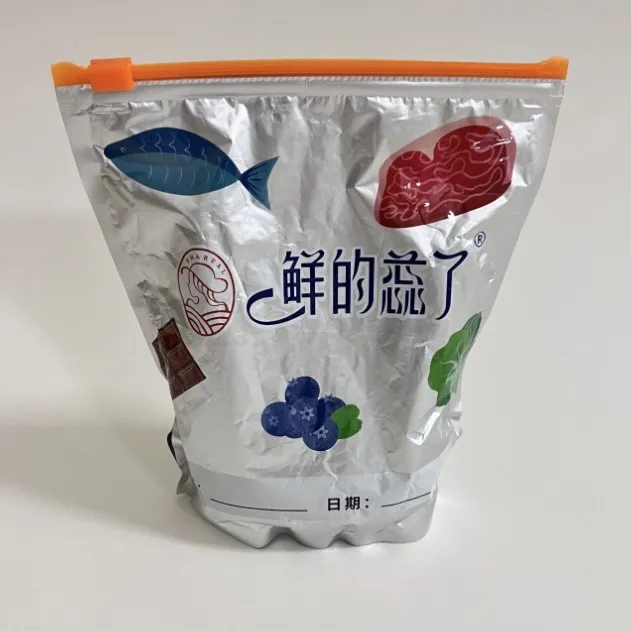
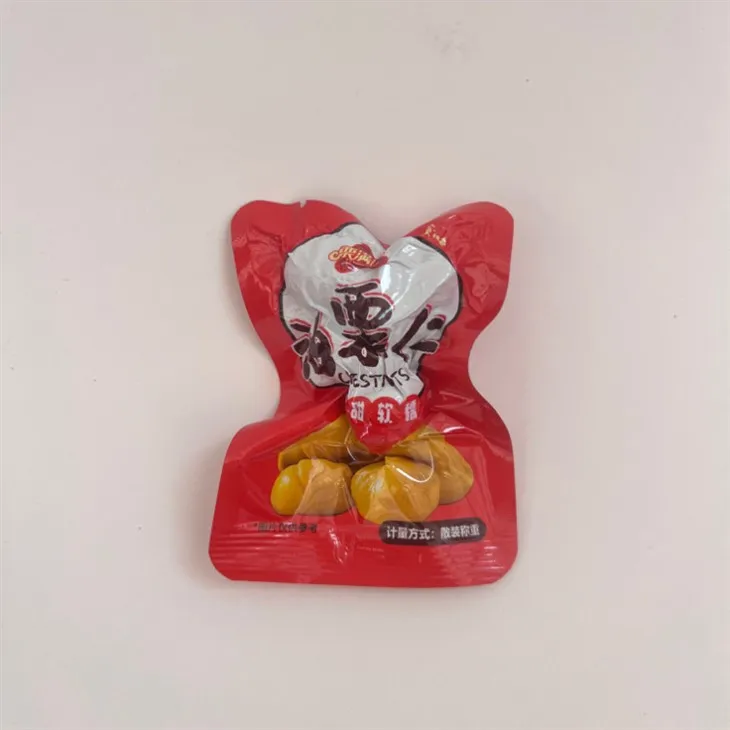
In conclusion, retort pouches themselves do not typically affect the taste of food negatively. On the contrary, they play a crucial role in preserving the taste and quality of food by providing protection against oxygen, moisture, and other external factors. The materials used in retort pouches are safe and inert, and the design of the pouches helps to ensure even cooking during the retorting process. However, it is important for food manufacturers to work closely with their retort pouch suppliers to select the right type of pouch and to optimize the retorting process for each specific food product.
If you are a food manufacturer looking for high - quality retort pouches that can preserve the taste and quality of your products, we are here to help. We have a wide range of retort pouch options to meet your specific needs, whether you require oxygen barrier protection, vacuum packaging, or convenient zipper features. Contact us today to start a discussion about your packaging requirements and explore how our retort pouches can enhance your food products.
References
- "Food Packaging: Principles and Practice" by Yam, K. L., Takhistov, P. T., & Miltz, J.
- FDA regulations on food - contact materials
- EFSA guidelines on food packaging safety